
Can You Install a Walk-In Cooler Outside?

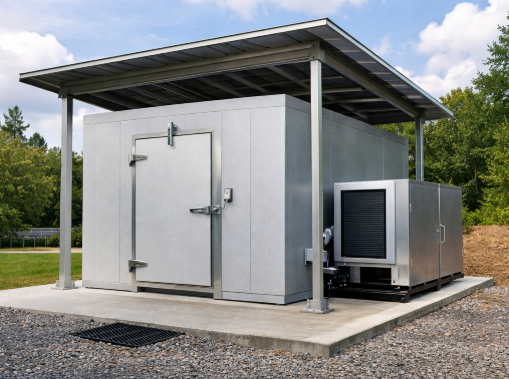
Yes, you can install a walk-in cooler outside. In many cases, it’s actually the better option.
But there are a few important things you need to get right. Outdoor walk-in cooler installations come with different challenges than indoor ones. If you skip those details, you can run into higher energy costs, equipment failure, or even food safety issues.
This guide will walk you through everything you need to know before installing a walk-in cooler outdoors.
Why Install a Walk-In Cooler Outside?
There are a few common reasons businesses choose to install their walk-in cooler outside instead of indoors.
The biggest one is space.
Restaurants, grocery stores, and food service businesses often don’t have enough room inside their building. Moving the cooler outside frees up valuable interior space for prep areas, storage, or customer seating.
Another reason is heat management. Walk-in coolers generate heat during operation. When installed outside, that heat doesn’t affect your indoor environment, which can help reduce HVAC strain.
Outdoor installations can also make expansion easier. If your business grows, it’s usually simpler to expand or replace an outdoor unit than to remodel your interior.
What Makes Outdoor Installation Different?
Installing a walk-in cooler outside isn’t just about placing it outdoors. The environment adds a new layer of considerations.
Indoor units operate in a controlled climate. Outdoor units deal with:
Extreme heat in the summer
Freezing temperatures in the winter
Rain, snow, and moisture
Wind exposure
Direct sunlight
Because of this, outdoor walk-in coolers need additional protection and proper configuration.
Key Requirements for Outdoor Walk-In Coolers
If you’re planning to install a walk-in cooler outside, these are the most important factors to consider.
1. Weatherproof Construction
Your cooler needs to be built for outdoor use. This usually means:
Weather-resistant paneling
Sealed joints to prevent water intrusion
A weatherproof roof system
Many outdoor units come with a membrane roof or a protective cap to keep water from seeping in.
Without proper weatherproofing, moisture can damage insulation and reduce efficiency.
2. Insulated Flooring
Indoor walk-in coolers are sometimes installed directly on an existing floor. That doesn’t work well outside.
Outdoor units typically need an insulated floor to protect against:
Ground temperature changes
Moisture from below
Frost buildup
In colder climates, insulated flooring is critical to prevent freezing issues that can damage the structure.
3. Sun and Heat Exposure
Direct sunlight can make your cooler work harder than it should.
When a walk-in cooler sits in the sun all day, the external temperature increases. This forces the refrigeration system to run longer, increasing energy costs and wear on components.
To reduce this:
Install the unit in a shaded area when possible
Use reflective roofing materials
Add a sunshade or cover
Even small adjustments here can improve performance and extend the life of your system.
4. Proper Refrigeration System Setup
Outdoor units often use remote refrigeration systems. These systems are designed to handle outdoor conditions and maintain consistent cooling.
You’ll want to make sure:
The condenser is rated for outdoor use
The system is sized correctly for your climate
It includes controls for extreme temperatures
In colder regions, special controls may be needed to keep the system running properly during winter.
5. Drainage and Water Management
Water is one of the biggest risks for outdoor installations.
Rain and snow can collect around the unit if drainage isn’t planned correctly. Over time, this can lead to:
Structural damage
Ice buildup
Mold or mildew
To avoid this, your installation should include:
Proper grading around the unit
Drain lines that direct water away
Elevated placement if needed
Good drainage protects both the structure and the refrigeration system.
6. Permits and Local Codes
Before installing a walk-in cooler outside, check local building codes.
Some areas require:
Permits for outdoor refrigeration equipment
Electrical inspections
Specific distance requirements from property lines
Working with a professional installer helps ensure everything is up to code.
Pros and Cons of Outdoor Installation
Pros
Outdoor installation comes with several advantages:
Saves indoor space
Keeps heat out of your building
Easier to expand or upgrade later
Flexible placement options
Cons
There are also some downsides:
Higher upfront installation costs
Exposure to weather conditions
Potential for higher energy use if not set up correctly
The key is proper planning. When installed correctly, outdoor walk-in coolers perform just as well as indoor units.
Is Outdoor Installation Right for Your Business?
Outdoor installation works well for many types of businesses, including:
Restaurants
Grocery stores
Convenience stores
Breweries
Food distribution companies
It’s especially useful if you’re short on indoor space or planning for future growth.
However, if your location has extreme weather conditions, you’ll need to invest more in insulation and system protection.
Common Mistakes to Avoid
If you’re considering installing a walk-in cooler outside, avoid these common mistakes.
Skipping Insulation Upgrades
Standard insulation may not be enough for outdoor use. Always use panels designed for exterior conditions.
Ignoring Sun Exposure
Placing the unit in direct sunlight without protection increases energy costs and shortens equipment life.
Poor Drainage Planning
Water buildup can cause long-term damage. Always plan for proper drainage.
Undersized Refrigeration System
Outdoor units often need more capacity to handle temperature swings.
DIY Installation
Outdoor walk-in cooler installation is not a simple project. Working with professionals helps prevent costly mistakes.
How Much Does an Outdoor Walk-In Cooler Cost?
Costs vary depending on size, location, and installation complexity.
Most walk-in coolers fall somewhere between:
Small units: $4,000 to $8,000
Medium units: $7,000 to $15,000
Larger or custom units: $15,000 to $25,000+
Outdoor installations tend to cost more due to:
Weatherproofing
Insulated flooring
Additional labor
Site preparation
If you want a more accurate estimate, using a pricing tool can help you get a better idea based on your specific setup.
Yes, you can install a walk-in cooler outside, and for many businesses, it’s the best option.
The key is doing it the right way.
Outdoor installations require proper planning, the right materials, and a system designed for your environment. When everything is set up correctly, an outdoor walk-in cooler can be just as reliable and efficient as an indoor unit.
If you’re considering an installation, it’s worth taking the time to plan each detail. That upfront effort can save you money, prevent issues, and extend the life of your cooler.


Comments