
Commercial Refrigeration Summer Problems: Why Systems Fail in Utah Heat
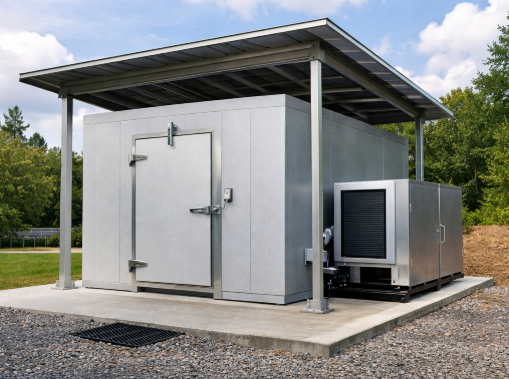
Summer in Salt Lake City can be tough on businesses that rely on refrigeration. As temperatures climb, equipment has to work harder just to keep up. That extra strain often leads to breakdowns at the worst possible time.
Understanding commercial refrigeration problems can help you avoid costly repairs, protect your inventory, and plan ahead if your system is reaching the point where a new commercial refrigerator installation may be the better long-term solution. Whether you run a restaurant, grocery store, or convenience store, preparation makes a big difference when the heat sets in.
Why Utah’s Summer Heat Puts Extra Stress on Refrigeration Systems
Hot weather creates a more demanding environment for cooling equipment. Even systems that work well during cooler months can struggle once temperatures rise.
In Utah’s dry climate, refrigeration systems have to release heat into already hot air. This makes the cooling process less efficient, forcing components to run longer than normal. Over time, that added workload leads to wear that many business owners do not notice until something fails.
The U.S. Department of Energy explains that poorly maintained systems lose efficiency quickly. When combined with extreme summer temperatures, that loss of efficiency can push equipment past its limits.
Common Refrigeration Failures During Summer

One of the most common issues during summer is compressor strain. The compressor is designed to cycle on and off, but in high heat, it may run almost constantly. This increases the risk of overheating and can shorten the life of the entire system.
Another frequent problem is dirty condenser coils. In a place like Utah, dust builds up faster than many people expect. When coils are coated with debris, they cannot release heat properly. The system then has to work harder just to maintain the temperature.
Airflow also plays a bigger role than most business owners realize. If a unit is installed in a tight space or surrounded by clutter, heat gets trapped around it. This reduces performance and increases the chance of failure during peak hours.
Refrigerant issues tend to show up more in summer as well. A system that seems fine in spring may suddenly struggle when temperatures rise. In some cases, this is a sign that repairs are no longer sufficient, and it may be time to consider a commercial refrigerator replacement rather than continuing to fix an aging unit.
Standards from organizations like ASHRAE highlight how proper system operation directly impacts performance, especially in extreme conditions.
How Summer Heat Affects Your Business
When refrigeration systems struggle, the impact goes far beyond the equipment itself. For many businesses, it quickly turns into a financial issue.
A small increase in temperature inside a cooler can lead to spoiled inventory within hours. For restaurants and grocery stores, that loss adds up quickly. At the same time, equipment that is working harder will use more electricity, which drives up utility costs during the most expensive time of year.
Downtime is another major concern. If a system fails during peak hours, it can disrupt operations and result in lost sales. In some cases, repeated breakdowns indicate that investing in a new commercial refrigeration system would be more cost-effective than ongoing repairs.
Customer experience is also affected. People expect consistent quality, especially during the summer. If products are not properly cooled, it can damage your reputation and reduce repeat business.
Warning Signs Your System Is Struggling
Most systems give warning signs before they fail completely, but they are easy to overlook. You might notice that temperatures are not as consistent as they used to be, or that the system runs longer than usual.
Unusual noises are another common indicator. Buzzing, clicking, or rattling sounds often point to components working harder than they should. Ice buildup in unexpected areas can also signal airflow or refrigerant problems.
Higher energy bills are sometimes the clearest sign. If your costs are increasing without a clear reason, your refrigeration system may be losing efficiency due to the summer heat.
How to Prevent Refrigeration Failures in Summer
Preventing breakdowns starts with consistent maintenance, but it also requires paying attention to how your system performs under stress.
Regularly cleaning condenser coils can make a noticeable difference in efficiency. Ensuring there is enough space around your equipment improves airflow and reduces heat buildup. Small details like checking door seals can also have a big impact, since even a minor air leak forces the system to work harder.
Monitoring refrigerant levels is equally important. Low refrigerant levels not only reduce cooling capacity but also increase strain on the compressor.
The Environmental Protection Agency recommends proper refrigerant management to maintain system performance and reduce environmental impact.
At a certain point, maintenance alone may not be enough. If your system continues to struggle every summer, it may be worth exploring options to buy a commercial refrigerator that is more energy-efficient and better suited to your current needs.
Why Summer Maintenance Requires Extra Attention

Summer is not just another season for your equipment. It is the time when everything is pushed to its limit.
Systems run longer, components heat up faster, and small inefficiencies become much more noticeable. A minor issue that would not matter in winter can quickly turn into a major problem in July.
That is why it is important to treat summer maintenance differently. Being proactive now can prevent emergency repairs later.
Long-Term Benefits of Staying Ahead
Taking care of your refrigeration system during the summer does more than prevent breakdowns. It helps your entire operation run more smoothly.
Efficient systems use less energy, which lowers your monthly costs. They also last longer, reducing the need for frequent replacements. When your equipment performs consistently, you avoid the stress and expense of emergency service calls.
Most importantly, you protect your inventory and provide a better customer experience. Addressing commercial refrigeration problems early is one of the most effective ways to keep your business stable during the busiest time of year.
Plan Ahead Before the Heat Peaks
The best time to address refrigeration issues is before they become emergencies. A pre-season inspection can reveal weak components, airflow problems, or early signs of failure.
For some businesses, this is also the right time to evaluate whether their current system continues to meet their needs. Upgrading to a newer unit can improve efficiency, reduce energy costs, and provide more reliable performance during extreme temperatures.
FAQ
Why does refrigeration struggle more in summer?
Higher temperatures make it harder for systems to release heat, which forces them to work longer and harder.
How often should condenser coils be cleaned?
Most systems should be cleaned every one to three months, depending on how much dust and debris are present.
When should I replace my system instead of repairing it?
If your system breaks down frequently, struggles to maintain temperature, or has rising repair costs, replacement may be the better option.
Does a newer refrigeration system save money?
Yes. Newer systems are typically more energy-efficient and require fewer repairs, thereby reducing long-term costs.
Conclusion
Utah’s summer heat creates real challenges for businesses that rely on refrigeration.
Understanding the summer problems in commercial refrigeration gives you the ability to act early, avoid costly downtime, and make smarter decisions about your equipment.
With the right maintenance and planning, you can keep your system running efficiently even during the hottest months. And if your equipment is no longer keeping up, investing in a newer system may be the best way to protect your business moving forward.


Comments