
How does a Walk-In Cooler Work
Updated: Jun 11
If you have ever walked into a walk-in cooler and felt that instant drop in temperature, you have probably wondered how a room that big stays so perfectly cold. It feels simple from the inside—frigid air, shelves full of food, and a sturdy door. Behind the scenes, though, there is a lot more going on. A walk-in cooler works by removing heat from the room and sending it elsewhere. Once you understand that idea, the whole system starts to make sense.
The Whole Process
Every walk-in cooler runs on the same basic principle. Remove heat from the inside and release it outside. That is it. It is not actually creating cold air. It removes warm air, keeping the temperature steady. The heart of the system is the refrigeration cycle. It involves a compressor, a condenser, an evaporator, and a refrigerant that circulates among them. Each part has a job, and each job helps the cooler stay cold around the clock.

The Compressor
Inside every cooler, there is a compressor working nonstop. You can think of it like the engine of the whole system. It squeezes the refrigerant into a high-pressure state. When the refrigerant is compressed, it gets hot. Once it is hot and pressurized, it is ready to move into the next stage.
The Condenser
This is where the heat leaves the system. The hot refrigerant flows into the condenser coils, usually placed outside or on top of the cooler. As the refrigerant moves through the condenser, fans blow across the coils, transferring heat to the surrounding air. When the refrigerant cools down enough, it turns from a gas into a liquid. It is now ready for the next step.
The Expansion Valve
This part does exactly what it sounds like. It allows the liquid refrigerant to expand. When the pressure drops, the temperature drops too. That sudden chill prepares the refrigerant to absorb heat once it enters the evaporator inside the cooler.
The Evaporator
The evaporator is the part you usually see inside the walk-in cooler. It looks like a metal box with a fan inside. Cold refrigerant flows through the evaporator coils, and the fan blows air across them. As warm air inside the cooler passes over those coils, the refrigerant absorbs the heat, removes it from the room, and warms slightly in the process. That warmed refrigerant returns to the compressor, and the cycle repeats.
Why The Door and Insulation Matter So Much
People often overlook this part, but the walls and door are just as crucial as the refrigeration system. Walk-in coolers are built with thick insulation panels that trap cold air. If the door seals are worn out or the insulation is damaged, warm air will sneak in faster than the system can pull it out. That makes the cooler run harder, use more energy, and stay at an inconsistent temperature. Regular checks of the door gasket and wall panels can prevent many issues.
How a Walk-In Maintains a Steady Temperature
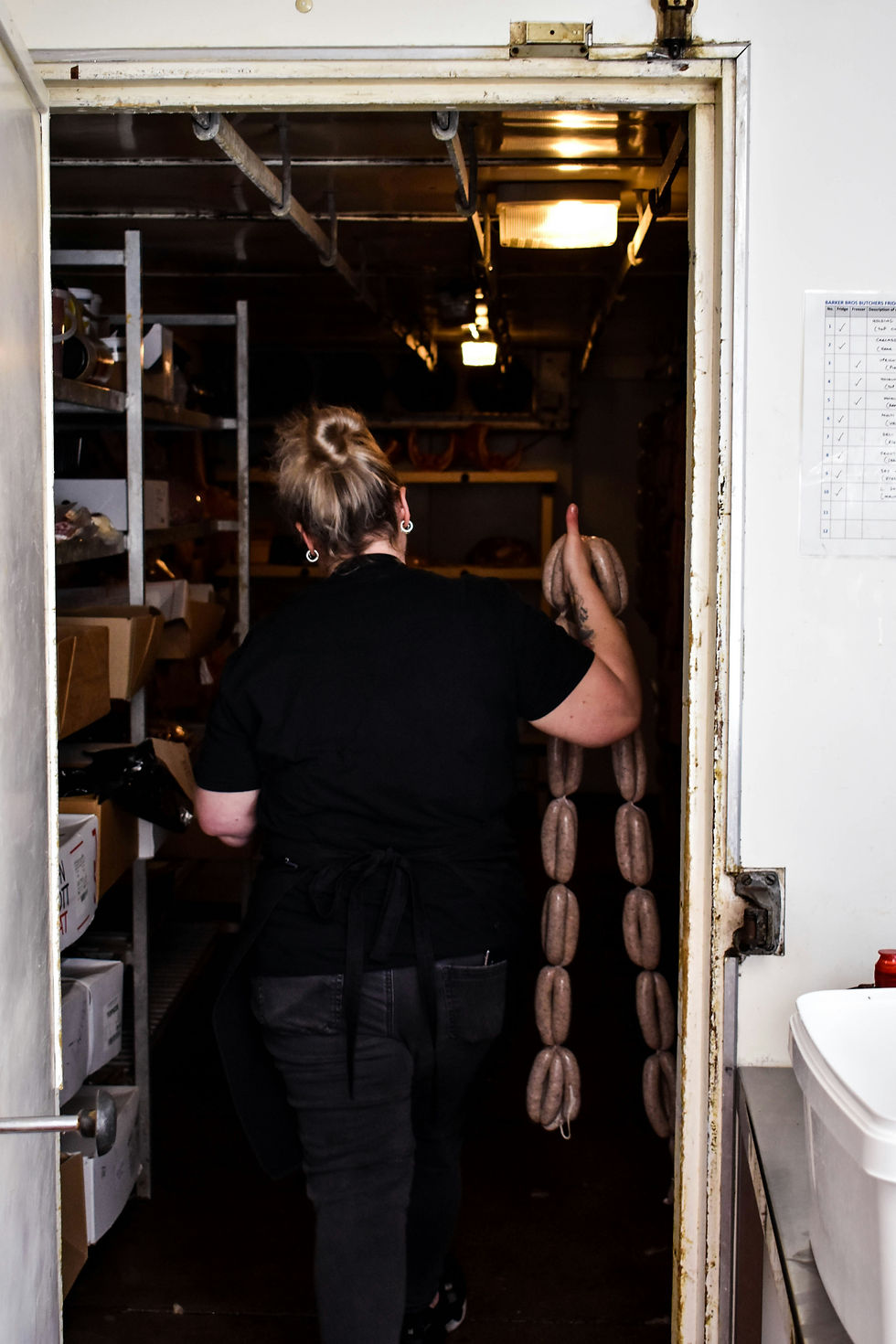
The thermostat inside the cooler constantly monitors the temperature. When the room gets even a little warmer than it should be, the refrigeration system turns on and starts pulling heat out. Once the cooler hits the set temperature again, the system shuts off. It is a simple cycle that runs continuously, day and night, to keep food, drinks, and supplies at safe temperatures.
The Different Types of Walk-In Systems
Not every walk-in cooler uses the same style of refrigeration setup. Some come as self-contained units with everything packaged together. These are common in smaller restaurants or businesses that need easy installation. Others use remote systems in which the evaporator is inside the cooler, and the condenser and compressor are placed outside the building. This setup is quieter and removes more heat from the work area. Extensive facilities sometimes use multiplex systems that power multiple coolers from one central unit.
Common Questions People Have
Why does my walk-in cooler have ice on the evaporator? This is usually caused by too much moisture getting into the cooler or by poor airflow. It can also be caused by warm air entering through a worn door gasket. When ice builds up, it blocks the evaporator from absorbing heat, so the cooler struggles to stay cold.
Why does my cooler run constantly? If the cooler never seems to shut off, it may be losing cold air, the evaporator may be iced up, or the condenser may be dirty. A cooler that runs nonstop usually means something is forcing the system to work harder than it should.
Why is the temperature uneven inside the cooler? Airflow is important. If boxes are stacked too close to the evaporator or pressed against the walls, air will not circulate. This creates warm pockets and cold pockets around the room.
What temperature should a walk-in cooler be set to? Most coolers are set between 35 and 38 degrees. Cold enough to keep food safe, but not so cold that items begin to freeze.
Keeping a Cooler Working at Its Best
Even though the system sounds complicated, walk-in coolers stay reliable with simple maintenance. Cleaning the condenser coils, checking door seals, keeping shelves clear for airflow, and watching for unusual noises or temperature swings can keep a cooler running smoothly for years. A well-maintained walk-in cooler saves energy, protects your inventory, and reduces costly breakdowns.
Final Thoughts
A walk-in cooler looks simple on the outside, but inside it is a carefully designed system that moves heat out of the room again and again. When all the parts are doing their job, the cooler stays at a perfect temperature and becomes one of the most dependable pieces of equipment in a kitchen or commercial space. Understanding how it works makes it a lot easier to spot issues early and keep everything running at its best.


Comments