
What Is a Refrigerated Trailer? A Complete Guide to Mobile Cold Storage
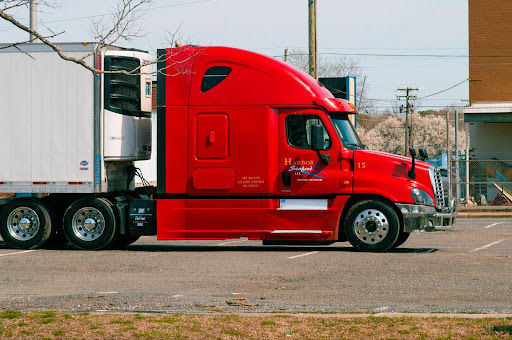
If you’ve ever seen a semi-truck hauling food across the country, chances are it was pulling a refrigerated trailer.
A refrigerated trailer, often called a “reefer trailer,” is a mobile cold storage unit designed to keep temperature-sensitive products at a controlled temperature while being transported or stored on-site.
These trailers are essential for industries that rely on consistent temperature control, including food distribution, catering, pharmaceuticals, event services, and grocery supply chains.
In this guide, we’ll break down:
What a refrigerated trailer is
How it works
What it’s used for
Temperature ranges
When to rent one
And how it compares to other cold storage options
What Is a Refrigerated Trailer?
A refrigerated trailer is an insulated trailer equipped with a self-contained refrigeration unit. It can maintain internal temperatures ranging from below freezing to standard refrigeration levels.
Unlike standard enclosed trailers, refrigerated trailers actively cool the interior using a powered refrigeration system. This allows them to safely transport or temporarily store perishable goods.
They are commonly attached to semi-trucks for transport, but they can also be parked and used as stationary cold storage at job sites, events, warehouses, or emergency locations.
You might also hear them referred to as:
Reefer trailer
Cold storage trailers
Mobile refrigerated units
Mobile freezer trailers
How Does a Refrigerated Trailer Work?
A refrigerated trailer works similarly to a commercial walk-in cooler or freezer.
Here’s how it functions:
Insulated Walls – The trailer is heavily insulated to prevent outside temperatures from affecting the interior.
Refrigeration Unit – Mounted at the front of the trailer, this unit circulates cold air throughout the space.
Temperature Control System – Digital controls allow operators to set precise temperatures.
Power Source – The unit runs on diesel fuel, shore power (electricity), or a generator.
Cold air circulates continuously inside the trailer to maintain consistent temperatures, even during long-distance transport.
Modern refrigerated trailers can maintain temperatures as low as -20°F or lower, depending on the model.
What Is a Refrigerated Trailer Used For?

Refrigerated trailers are used anywhere temperature control is critical.
Common Uses Include:
Food Distribution
Restaurants, grocery stores, and food distributors rely on refrigerated trailers to transport:
Meat
Dairy
Produce
Frozen foods
Beverages
Catering & Events
Large events often need extra cold storage for food and drinks. A refrigerated trailer can serve as temporary overflow storage.
Pharmaceutical Transport
Certain medications, vaccines, and medical supplies must remain within strict temperature ranges during transit.
Emergency Cold Storage
When a walk-in cooler breaks down, businesses may rent a refrigerated trailer as a temporary solution to prevent product loss.
Seasonal Storage
During busy seasons, businesses sometimes need additional cold storage capacity.
What Temperature Can a Refrigerated Trailer Maintain?
Most refrigerated trailers can operate within the following ranges:
Refrigerated: 35°F to 40°F
Chilled: 32°F to 35°F
Frozen: 0°F to -20°F
Some units are dual-temperature or multi-zone, allowing different temperature settings within the same trailer.
Temperature accuracy is critical in food safety and pharmaceutical compliance, so most modern units include digital monitoring systems.
When Should You Rent a Refrigerated Trailer?
You may need a refrigerated trailer if:
Your walk-in cooler or freezer fails
You’re hosting a large event
You need temporary cold storage during construction
Your warehouse space is full
You’re transporting perishable goods long distances
You need backup cold storage during peak seasons
For many businesses, renting a refrigerated trailer is more cost-effective than installing permanent cold storage for short-term needs.
Key Features of Modern Refrigerated Trailers

Modern units include:
Digital temperature controls
Temperature data logging
Interior lighting
Non-slip flooring
Heavy-duty insulation
Rear swing or roll-up doors
Electric standby power options
These features help ensure product safety, compliance, and ease of use.
Why Refrigerated Trailers Matter for Food Safety
Temperature control isn’t just about keeping products cold. It’s about preventing spoilage, bacterial growth, and costly waste.
In industries regulated by food safety standards, maintaining proper temperature during storage and transportation is required to stay compliant.
A malfunctioning refrigeration system can lead to:
Product loss
Health risks
Failed inspections
Financial damage
That’s why reliable refrigeration equipment matters.
Final Thoughts: Is a Refrigerated Trailer Right for You?
A refrigerated trailer is a powerful solution for mobile cold storage and temperature-controlled transport. Whether you’re moving frozen goods across the country or need temporary cold storage during an equipment breakdown, it offers flexibility and protection for valuable inventory.
If your business depends on maintaining precise temperatures, understanding how refrigerated trailers work helps you choose the right solution at the right time.


Comments